Insuring an Electric Vehicle: What It Costs, What’s Covered, and How to Save
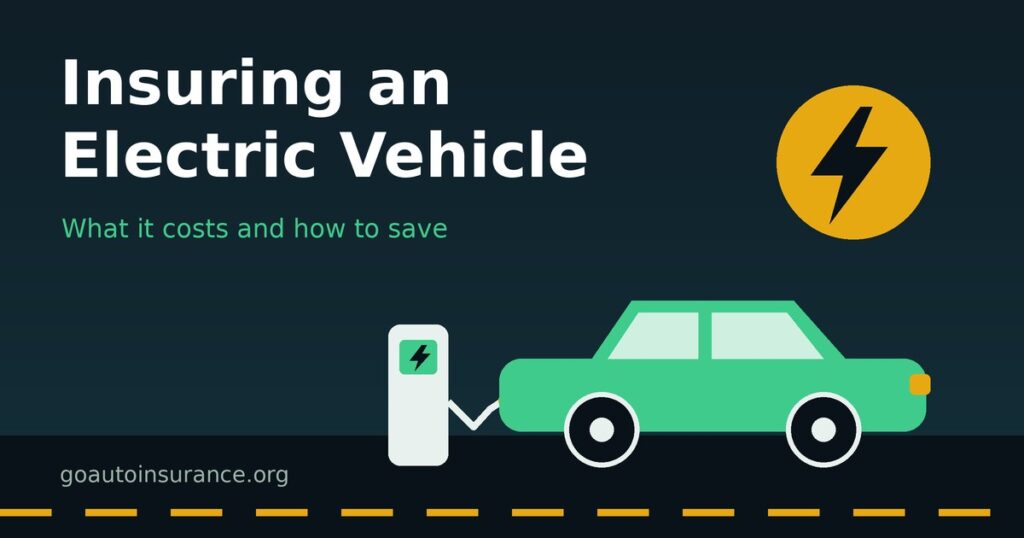
You will notice that Electric cars are cheaper to fuel and often times cheaper to maintain, so many buyers expect lower running costs across the board. Then the first insurance quote arrives, and it is higher than they expected. This guide explains why electric vehicles (EVs) usually cost more to insure, what a policy does and does not cover, and how to keep the price under control.
Points to note.
- Most studies find that EVs cost more to insure than comparable gas cars, but the size of the gap varies a lot by source, model and insurer.
- The extra cost comes mainly from repair expense, not from EV drivers being riskier.
- Standard car insurance works the same way for an EV, but a few details deserve extra attention: the battery, the home charger, towing, and where the car can be repaired.
- Get insurance quotes before you buy, and compare several insurers after.
Does an EV really cost more to insure?
Usually, yes. But the numbers you will see online are all over the map, so it is worth understanding why.
- An analysis by Insurify, reported by AutoGuide in 2026, found EVs cost an average of 42% more to insure than comparable gas vehicles.
- UK insurer Zego, writing in May 2026, said the gap there had narrowed from around 25% to roughly 10% to 15%.
- Another UK analysis put the 2026 gap at around 13%.
Why such different answers? The studies compare different cars, different places and different types of coverage, and some include expensive luxury EVs that pull the average up. Insurance Business magazine reports that luxury EVs tend to show a bigger gap, while simpler, lower-priced EVs often show a smaller one. Treat any single percentage as a rough guide, and treat your own quotes as the real answer.
To see what this could mean in practice (an illustration, not a prediction): if insuring a comparable gas car costs $2,000 a year, a 15% gap is about $300 more, and a 40% gap is about $800 more.
Why EVs cost more to insure
Insurify’s analysis makes an important point: EV owners generally don’t pay more because EVs are riskier to drive. They pay more because repairs cost more when something goes wrong. Insurers set prices based on what claims cost, so the factors below matter.
1. The battery
The battery pack is the most expensive part of an EV. Even a moderate crash can raise questions about whether the pack is damaged, which can extend repair times and push up the bill. The Zebra, an insurance comparison site, notes that checking, repairing or replacing a battery is costly, and insurers price for that risk. In some cases an insurer may decide it is cheaper to write off the car than to repair it.
2. Repairs are more complex
Many EVs use highly integrated structures and advanced electronics, which can make collision repairs more complicated. Parts are sometimes only available from the manufacturer. The auto-claims firm CCC Intelligent Solutions found that the average EV model costs 27% more to repair than the average non-EV, according to CarInsurance.com.
3. Fewer qualified repair shops
Not every body shop is equipped or trained to work on high-voltage systems, so there may be fewer places to take the car, and waits can be longer. Industry analysts expect this to improve as more shops and technicians become EV-ready.
4. Higher vehicle value
EVs often cost more to buy. The Natural Resources Defense Council has reported that the average new EV cost about $10,000 more than the average new car. A more expensive car costs more to replace, which raises the price of collision and comprehensive coverage.
5. Limited claims history
Insurance Business magazine quotes an industry executive saying that insurers still have less data on EVs than on gas cars, so some price conservatively. As more data builds up, pricing may settle.
What EV insurance covers
An EV policy is built from the same parts as any car policy:
- Liability: pays for injuries and damage you cause to others. This is usually required.
- Collision: pays to repair or replace your car after a crash.
- Comprehensive: pays for non-crash damage such as theft, fire, vandalism, flooding or falling objects.
- Uninsured and underinsured motorist, and medical payments or personal injury protection: available or required depending on your state.
The details below are where EV owners should ask questions. Policies differ, so confirm each with your insurer.
The battery
If the battery is damaged in a covered event, such as a crash or a fire, collision or comprehensive coverage generally applies to it as part of the car. Normal wear and gradual loss of range over time are not insurance claims. Those fall under the manufacturer’s battery warranty, so read its terms for your car.
Your home charger and cables
Ask whether your wall charger and portable charging cable are covered, and under which policy: your auto policy, your homeowners or renters policy, or neither. Some insurers also cover stolen charging cables, and Insurance Business magazine reports that copper theft targeting charging cables is adding to risk. Have a licensed electrician install a home charger, and tell your home insurer about it.
Towing and roadside help
Many EVs need to be moved on a flatbed truck rather than towed with the wheels on the ground. Ask whether your roadside coverage includes flatbed towing, how far it will tow, and whether it will take you to a charging station or an EV-qualified repair shop.
Repair options
Find out whether your insurer will pay for repairs at the manufacturer’s dealer or a certified EV repair shop, and whether using one affects your claim. Also ask how a rental car is handled if repairs take longer than usual.
Gap coverage
If you finance or lease an EV and owe more than the car is worth, gap coverage can pay the difference after a total loss. Ask whether it is offered and whether the lender requires it.
[Optional but recommended: add a short paragraph from your own experience, such as what you learned when you or someone you know insured an electric or hybrid car, in your own words. Only include things that are true.]
Ways to keep the cost down
1. Get quotes before you buy the car
Insurance prices vary by model, sometimes a lot. A car that looks cheaper on the sticker can cost more to insure. Ask insurers for quotes on the specific model and trim you are considering, and include the figure when you work out the total cost of ownership.
2. Compare at least three insurers
Insurers have different amounts of experience with EVs and weigh them differently. Ask each for the same coverage and deductible so the quotes are comparable. Include large national companies, smaller insurers, and an independent agent who can quote several.
3. Ask about EV-friendly discounts
Ask about discounts for low mileage, safe driving, bundling home and auto, paying in full, anti-theft devices, and any programs aimed at EV or hybrid owners. Not every insurer offers the last one, and savings vary.
4. Consider a telematics program
Usage-based programs track how you drive and can reward careful or low-mileage drivers. Some carmakers also offer their own insurance programs using in-car data. Read what data is collected, who sees it, and how it can affect your price at renewal.
5. Choose your deductible carefully
A higher deductible lowers your premium, but you pay more out of pocket when you make a claim. Because EV repairs can be large, make sure you could comfortably afford the deductible you choose.
6. Look at the whole cost, not just insurance
Insurance is only one part of EV ownership. The U.S. Department of Energy estimates scheduled maintenance for a battery-electric car costs about 6.1 cents per mile, compared with about 10.1 cents per mile for a gas car, according to CarInsurance.com. Fuel savings and lower maintenance can offset some of the insurance gap, but how much depends on how much you drive and what electricity costs where you live.
7. Review your policy every year
EV pricing is changing quickly as repair networks and data improve. Some industry analysts expect the gap with gas cars to narrow over the next few years, but forecasts are not guarantees. Check your price at every renewal.
Common mistakes to avoid
- Buying the car before checking insurance. A high quote after the purchase is a nasty surprise.
- Assuming the battery is covered for everything. Wear and range loss are warranty matters, not insurance claims.
- Forgetting the charger. Ask where it is covered.
- Choosing on price alone. Cheap coverage with weak repair or towing support can cost you later.
- Skipping comparison. Quotes for the same EV can differ widely between insurers.
Frequently asked questions
Is it cheaper to insure a hybrid than a fully electric car? Often, hybrids cost less to insure than fully electric cars, but it varies by model and insurer. Get quotes for the exact vehicles you are considering.
Does insurance cover battery replacement? It can if the battery is damaged in a covered event. It does not usually cover normal wear or gradual loss of range, which are warranty matters.
Will EV insurance get cheaper? Possibly. As more repair shops and parts become available and insurers gather more data, some analysts expect the gap to narrow. Nobody can promise it.
Do I need special insurance for an EV? No. You buy the same types of coverage as for any car, but it is worth asking about the battery, charger, towing and repair options.
Sources and further reading
- Insurify, The hidden EV cost nobody talks about: insurance: https://insurify.com/car-insurance/news/ev-insurance-costs/
- AutoGuide, Insurance: the hidden cost of EV ownership: https://cdn-fastly.autoguide.com/auto/category/electric-cars/insurancethe-hidden-cost-of-ev-ownership-nobody-wants-to-talk-about-44633662
- Insurance Business, What brokers should tell EV buyers about the insurance gap: https://www.insurancebusinessmag.com/ca/news/auto-motor/what-brokers-should-tell-ev-buyers-about-the-insurance-gap-589527.aspx
- CarInsurance.com, Hidden costs of owning an electric car: https://www.carinsurance.com/hidden-costs-of-owning-an-electric-car/
- The Zebra, Why is my EV so expensive to insure?: https://www.thezebra.com/ask/ev-electric-vehicle-insurance-cost/
- Zego (UK), Are electric cars more expensive to insure? (UK figures, shown for comparison): https://www.zego.com/blog/are-electric-cars-more-expensive-to-insure
- Your state’s Department of Insurance, and your own insurer’s policy documents.
Prices and figures come from studies using different methods, and several come from insurance companies or comparison sites. They are averages and may not match your quotes. Check current numbers before relying on them.
This article is general information, not insurance, legal or financial advice. Policies, prices and rules vary by insurer and location, so confirm details with your insurer or a licensed agent. See our editorial policy.