You Noticed Your Insurance Premium Rose Even Though You Never Filed a Claim

You are punctual with your payment, drove carefully, kept your home in good shape, and never made a single claim. Then the renewal notice arrived with a higher price. It feels unfair, and many policyholders conclude the insurer is simply penalizing loyalty. The reality is more layered. Insurance is a pooled arrangement, and your premium reflects far more than your personal record. This article explains the forces behind a rate increase, how to tell which ones apply to you, and what you can do about it.
Insurance Is Priced on the Pool, Not Just on You
An insurer collects premiums from many customers and uses that money to pay the claims of the few who suffer losses. Your premium is therefore a share of the pool’s expected costs, adjusted for how risky you appear compared with everyone else in it.
This means two things can change your price: your own risk profile, and the cost of running the whole pool. A clean claims history helps with the first. It does nothing to shield you from the second.
Reason 1: The Cost of Claims Keeps Climbing
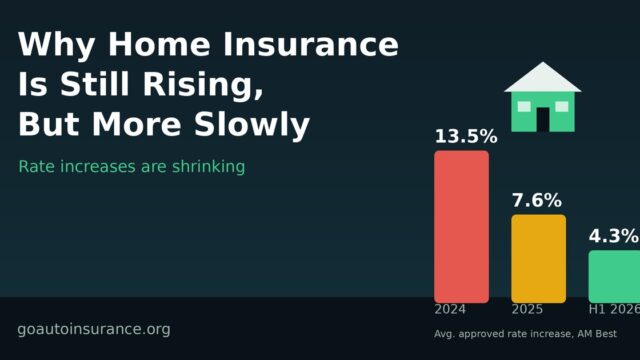
The most common driver of broad rate increases is simple: it costs more to settle claims than it used to.
- Repairs and replacement. Vehicle parts, especially for modern cars full of sensors and cameras, are expensive. Labor and building materials have risen too, which affects home and property policies.
- Medical costs. Health claims, and the injury component of motor claims, reflect rising treatment prices.
- Larger settlements and litigation. In many markets, courts are awarding higher payouts and legal disputes over claims are more common. Insurers price in that expectation.
- General inflation. When everything costs more, the same accident or the same fire costs more to put right.
Because insurers set rates based on expected future claims, they raise prices when they expect those future claims to be costlier, even if none of them are yours.
Reason 2: Your Area Got Riskier
Most insurers price partly by location. If your neighborhood, city, or region experiences more theft, accidents, flooding, storms, or fires, the expected cost of insuring everyone there goes up.
Catastrophe exposure is a major factor. After a severe weather year, insurers may raise rates across entire regions. They also pay for their own insurance, called reinsurance, and when reinsurance becomes more expensive, that cost flows down to policyholders.
Reason 3: Your Insurer Needs to Recover Losses
Insurers are businesses. If a particular product or region has been unprofitable, they will often raise rates across the board to bring it back to break-even. You may be paying for losses that had nothing to do with you, simply because you belong to the same rating group.
Reason 4: Your Own Circumstances Changed
Sometimes the increase does relate to you, even without a claim. Common examples include:
- Age and life stage. Rates move as you pass through age brackets. Younger and much older drivers typically pay more, and a home or vehicle’s age affects its risk profile.
- Changes to the policy. Adding a driver, buying a newer or more powerful vehicle, increasing mileage, renovating a home, or changing how a property is used can all raise risk.
- Credit-based factors. In some markets, insurers use credit information as a rating factor. A dip in your credit profile can raise your premium.
- A gap in coverage. Even a short lapse can mark you as higher risk.
- Moving. A new address changes your local risk factors.
Reason 5: How Insurers Price Renewals
Some increases come from pricing strategy rather than risk.
Introductory discounts ending. Many insurers offer a low first-year price to win your business, then move you toward their standard rate.
Shrinking no-claims discounts. Some schemes cap or reduce the reward for a long clean record, so the benefit does not grow forever.
The loyalty penalty. Insurers know that many long-term customers do not shop around. Some use pricing models that gradually raise renewal prices for customers considered unlikely to leave, a practice often called price optimization. Regulators in several countries have restricted or banned it, but renewal pricing can still favor new customers over existing ones.
Updated risk models. Insurers regularly refine how they rate risk using new data. A revised model can move some customers up and others down, and you may land on the wrong side of the change through no fault of your own.
How to Find Out Why Yours Went Up
The quickest route to a real answer is to ask. Contact your insurer and request a plain explanation of the increase. In many jurisdictions they are required to give reasons, or at least to show what changed in your rating details. Ask specifically whether:
- The base rate for your product or area changed.
- Any of your personal details were updated.
- A discount ended or was reduced.
- Your coverage limits or deductibles changed at renewal.
Also check your renewal documents carefully for errors. Wrong mileage, an incorrect vehicle, an outdated address, or a driver who no longer lives with you can all inflate your price unnecessarily.
What You Can Do About It
Compare the market. This is usually the most effective step. Get quotes from other insurers or use a broker. Since pricing models differ, the same risk can be priced very differently by different companies.
Negotiate with your current insurer. Once you have competing quotes, call your insurer. Retention teams often have discretion to reduce a renewal price rather than lose you.
Review your coverage. Remove cover you no longer need and make sure the details on file are accurate.
Raise your deductible or excess. Accepting a larger share of any future loss lowers your premium. Only do this if you could comfortably afford the higher out-of-pocket amount.
Ask about discounts. Bundling policies, installing security or safety devices, paying annually rather than monthly, and maintaining good habits can all reduce the price.
Reduce your risk where you can. Improving home security, parking in a garage, or using a telematics or driving-monitoring program can earn lower rates in some markets.
This article is general information, not insurance, legal or financial advice. Policies, prices and rules vary by insurer and location, so confirm details with your insurer or a licensed agent. See our editorial policy.